Top 7 Skills Every Engineering Student Should Learn Before Graduation

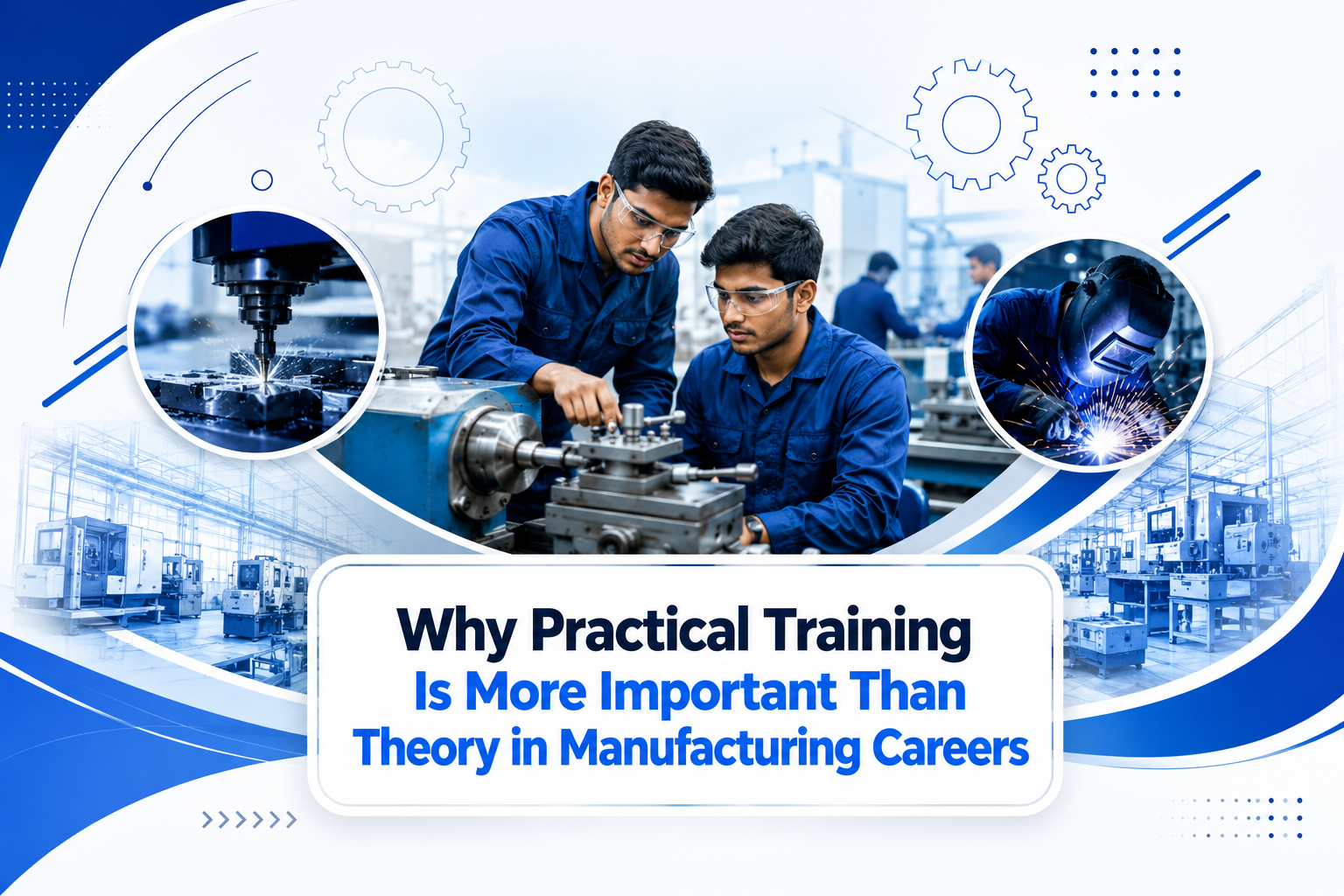
Engineering is one of the most respected and rewarding career paths, but earning a degree alone is no longer enough to secure a successful job. Today’s employers seek graduates who combine technical knowledge with practical experience, communication abilities, and problem-solving skills. As industries adopt advanced technologies such as automation, robotics, artificial intelligence, CNC machining, and Industry 4.0, engineering students must prepare themselves for a competitive job market. Many students spend four years focusing on academics but overlook the practical and professional skills that employers truly value. This often creates a gap between graduation and employment. By developing the right set of skills before completing your degree, you can significantly improve your chances of landing a high-paying job and building a successful career. In this comprehensive guide, we’ll explore the Top 7 Skills Every Engineering Student Should Learn Before Graduation and explain why each one is essential for long-term professional success. Why Skills Matter More Than Ever Engineering companies no longer hire candidates based only on academic marks. During campus placements and interviews, recruiters evaluate whether candidates can apply their knowledge to real-world situations. Employers look for professionals who can: Students who develop these abilities before graduation have a significant advantage over others. 1. Practical Technical Skills The most important skill every engineering student should acquire is hands-on practical experience. Classroom lectures teach engineering concepts, but practical training teaches students how those concepts are applied in industries. Depending on your engineering discipline, practical skills may include: For mechanical engineering students, practical exposure to machine tools and manufacturing processes builds confidence and makes them industry-ready. Benefits of Practical Training Students who spend time in workshops, laboratories, or industrial training institutes gain a competitive edge during placements. 2. CAD, CAM, and Engineering Software Skills Modern engineering relies heavily on computer-aided design and manufacturing software. Employers expect graduates to have at least basic knowledge of engineering tools such as: These software applications are used for: Learning engineering software before graduation can greatly improve your career opportunities in design, manufacturing, and product development. 3. Problem-Solving and Analytical Thinking Engineering is fundamentally about solving problems. Every project presents challenges, whether it’s designing a component, optimizing production, reducing costs, or improving efficiency. Strong problem-solving skills enable engineers to: Students should practice solving practical engineering problems instead of memorizing textbook answers. How to Improve These activities help develop logical thinking and decision-making abilities. 4. Communication and Presentation Skills Many technically talented engineers struggle to communicate their ideas effectively. Engineering professionals regularly: Strong communication skills improve workplace performance and leadership potential. Ways to Improve Clear communication helps engineers explain complex ideas in a simple and professional manner. 5. Teamwork and Leadership Skills Engineering projects involve collaboration between multiple departments, including design, production, quality, maintenance, procurement, and management. Employers prefer graduates who can: Leadership doesn’t necessarily mean managing people. It also means taking initiative, being responsible, and motivating others toward a common goal. How to Build Leadership Skills Developing leadership abilities early can accelerate career growth. 6. Time Management and Professional Discipline Meeting deadlines is critical in engineering. Whether you’re designing a machine, completing a production schedule, or delivering a project, time management directly affects performance. Engineering students should learn to: Professional discipline also includes: Companies highly value disciplined employees because they contribute to productivity and operational efficiency. 7. Continuous Learning and Adaptability Technology changes rapidly, and engineers must continuously update their skills. Today’s engineering landscape includes: Students who adopt a learning mindset can adapt to new technologies and remain competitive throughout their careers. Ways to Continue Learning Successful engineers never stop learning. Bonus Skills That Give You an Extra Advantage In addition to the top seven skills, students can further strengthen their profile by learning: Basic Programming Languages such as: Programming skills are increasingly useful across engineering disciplines. Industrial Safety Understanding workplace safety is essential for every engineer. Topics include: Safety awareness demonstrates professionalism and responsibility. Quality Control and Measurement Engineers should know how to use: Quality inspection skills are valuable in manufacturing and production industries. Internship Experience Internships provide real-world exposure and help students: Employers often prefer candidates with internship experience. Why Practical Training Is the Biggest Career Advantage Many graduates possess excellent theoretical knowledge but lack practical skills. Practical training helps students: Students who complete industrial training are often more attractive to employers because they require less onboarding and can contribute immediately. Common Mistakes Engineering Students Should Avoid To improve employability, avoid these common mistakes: Addressing these areas early can make a significant difference during placements. How to Prepare Before Graduation Here are practical steps every engineering student should take before graduating: Following these steps will make you more confident and job-ready. Career Benefits of Learning These Skills Students who develop these competencies before graduation often enjoy: These advantages extend well beyond the first job and contribute to sustained professional success. Final Thoughts Graduating with an engineering degree is a significant achievement, but your success depends on the skills you develop beyond the classroom. Employers today seek professionals who can combine theoretical knowledge with practical expertise, effective communication, problem-solving abilities, and a commitment to continuous learning. By focusing on the Top 7 Skills Every Engineering Student Should Learn Before Graduation—practical technical skills, engineering software proficiency, analytical thinking, communication, teamwork, time management, and adaptability—you can position yourself as a highly employable and future-ready engineer. Start building these skills early, seek practical experience whenever possible, and embrace lifelong learning. The effort you invest before graduation will pay dividends throughout your engineering career. Frequently Asked Questions (FAQs) 1. What are the most important skills every engineering student should learn before graduation? The most valuable skills include practical technical training, CAD/CAM software knowledge, problem-solving, communication, teamwork, time management, and adaptability to new technologies. 2. Why is practical training important for engineering students? Practical training helps students apply classroom concepts to real industrial environments, making them more confident, technically competent, and job-ready. 3. Which engineering software should students learn? Popular software includes AutoCAD, SolidWorks, CATIA, Siemens NX, Fusion 360, ANSYS, MATLAB, … Read more